Can I order lab tests without a doctor's order?arrow_forward

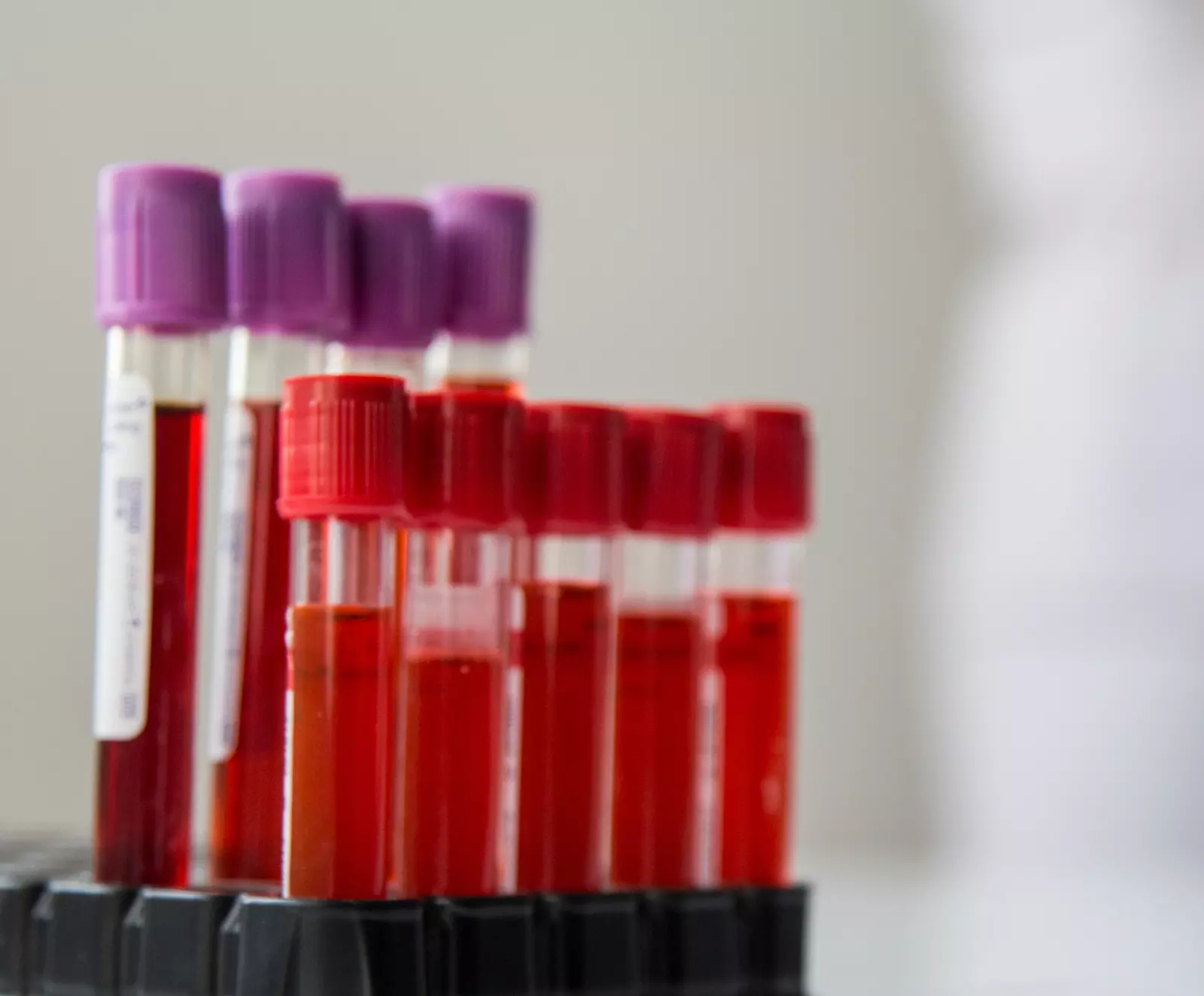
Yes. Through its partnership with Ulta Lab Tests, Apothecary & Co. gives you direct access to over 1,500 serum, saliva, urine, and stool lab tests and 300 panels without needing a prescription. You order the test yourself and pay at the time of order.

What tests does Apothecary & Co. offer?arrow_forward

Apothecary & Co. offers Ulta Labs blood testing, the DUTCH Complete dried urine hormone test, the Apothecary Hormone Insight Program, ZRT saliva testing for hormones and cortisol, KBMO food sensitivity testing, the Genova Diagnostics GI-MAP stool test, and pharmacogenomics testing.

Will my insurance pay for these tests?arrow_forward

You pay Ulta Lab Tests at the time of ordering. Each order generates a receipt listing the CPT codes for every test purchased, and you have the option to submit that receipt with your insurer's claim form to seek reimbursement yourself. Whether the claim is paid is determined by your plan, not by Apothecary & Co.

What is the GI-MAP test?arrow_forward

The GI-MAP is a stool test from Genova Diagnostics that assesses the gut microbiome using DNA analysis. Apothecary & Co. offers it as part of its testing menu for patients investigating digestive symptoms. Results are reviewed with a practitioner rather than returned as a raw report to interpret alone.

What is pharmacogenomics testing?arrow_forward

Pharmacogenomics testing looks at how your genetics affect the way you metabolize medications. It can help explain why a standard dose of a drug works well for one person and poorly for another. Apothecary & Co. offers pharmacogenomics testing as part of its lab menu — a pharmacist-led service, since drug metabolism is core pharmacy expertise.

How is saliva testing different from blood testing?arrow_forward

Saliva testing through ZRT measures hormone and cortisol levels and can be collected at several points across a day, which makes it useful for patterns that change hour to hour, such as the cortisol rhythm. Blood testing captures a single point in time. Which one fits depends on what is being investigated.