

Hormone replacement therapy is a big part of what we do.
As a compounding pharmacy, we work with HRT prescriptions every day. We compound customized hormone preparations, work closely with practitioners, and talk with patients through consultations about their therapy, symptoms, questions, and concerns.
Over the years, we've had a front-row seat to what thoughtful hormone care looks like, and what makes us raise an eyebrow.
HRT isn't something that should be approached by throwing darts at a board and hoping something sticks eventually.
So whether you're considering HRT, just getting started, or you've been on it for years, here are some of the red flags we think patients should know about.
Red Flag #1: Starting HRT Without a Thorough Evaluation
This doesn't necessarily mean that every patient needs a giant hormone panel before starting HRT.

In fact, especially during perimenopause, hormone levels can fluctuate significantly, and bloodwork isn't always necessary to determine whether hormone therapy is appropriate.
What is important is a thorough evaluation.
Your practitioner should know your symptoms, medical history, medications, risk factors, menstrual history when applicable, and what you're actually hoping to accomplish with treatment. There may also be baseline or follow-up testing that's appropriate for your particular situation.
You should understand:
What are we treating? Why this hormone? Why this dose? What are we trying to improve? And how are we going to know whether it's working?
If nobody can answer those questions, that's a red flag.
Red Flag #2: There's No Follow-Up or Monitoring Plan
Starting HRT shouldn't be: “Here's your prescription. See you whenever.”
Your practitioner should have a plan for following your progress.
That doesn't necessarily mean repeatedly chasing hormone levels on a lab report. Depending on the therapy and the patient, monitoring may include symptoms, side effects, blood pressure, bleeding patterns, appropriate laboratory testing, and other health considerations.
Many of the HRT practitioners we work closely with reassess patients every few months when they're initially establishing or adjusting therapy.
Once you're stable, that schedule may look very different. The important part is that someone is actually following what happens after you start treatment.
Red Flag #3: You Don't Really Know Who Is Prescribing Your Hormones
This has become especially important with the explosion of online hormone clinics: Know who's writing your prescription.
What are their credentials? How much experience do they have treating hormone-related concerns? Is HRT actually an area they specialize in, or is it simply another service they've added to the menu?
We highly recommend finding a women's health practitioner or another appropriately qualified practitioner who is genuinely experienced in hormone therapy.
Hormones are complicated. You want someone who understands the nuances, not someone throwing darts wildly and hoping eventually you feel better.
Red Flag #4: Getting a 90-Day Supply Right Out of the Gate
This one comes from the pharmacy side of the counter.

When someone is brand new to compounded HRT, we generally don't recommend starting with a 90- day supply. Why? Because you don't know yet if this is going to be your established dose.
Your practitioner may want to adjust the strength. You may need a different dosage form. You may experience a side effect. Or you and your practitioner may decide that something about the original plan simply isn't working. Now you've paid for three months of a compounded medication you may not use.
Our preference when someone is establishing a new compounded HRT regimen is generally 30 days at a time until the dose and formulation are established. Once you're stable and doing well? That's a different conversation. But early on, flexibility can save you both money and frustration.
Red Flag #5: Changing Everything Too Quickly
Hormone therapy isn't always an overnight fix.
Depending on the therapy, it may take time for your body to adjust and for you and your practitioner to get a meaningful picture of how you're responding.
Many practitioners we work with want patients to stay consistent with a new regimen for a reasonable period of time before making major changes, assuming there aren't side effects or other reasons requiring an earlier adjustment.
If you're changing the dose every couple of weeks because you don't immediately feel different, it becomes very difficult to determine what's helping, what isn't, and what might actually be causing a problem.
Sometimes the answer isn't more. Sometimes the answer is time and consistency.
Red Flag #6: The Dose Just Keeps Going Up
“I don't feel better.”
Increase the dose.
Still don't feel better?
Increase it again.
Still nothing?
More hormones!
That's when we think somebody needs to stop and ask a different question.
If you're using a topical preparation, for example, are you actually absorbing it adequately? Are you applying it correctly and consistently? Would another dosage form make more sense?
If you're taking an oral preparation and aren't getting the response expected, that's also an opportunity to reassess the entire therapy rather than automatically assuming the answer is a higher dose.
And then there is the bigger question: Are hormones actually the reason you don't feel well?
Could sleep, nutrition, stress, medications, thyroid function, iron status, metabolic health, or something completely different be contributing? If the only tool in the toolbox is continually increasing the hormone dose, we consider that a red flag.
Red Flag #7: Systemic Estrogen With No Discussion of Progesterone When You Still Have a Uterus
This one deserves attention.
If you still have your uterus and you're being prescribed systemic estrogen, there should be a conversation about protecting the lining of the uterus. Estrogen stimulates the endometrium. Using systemic estrogen without adequate endometrial protection can increase the risk of endometrial hyperplasia and endometrial cancer.
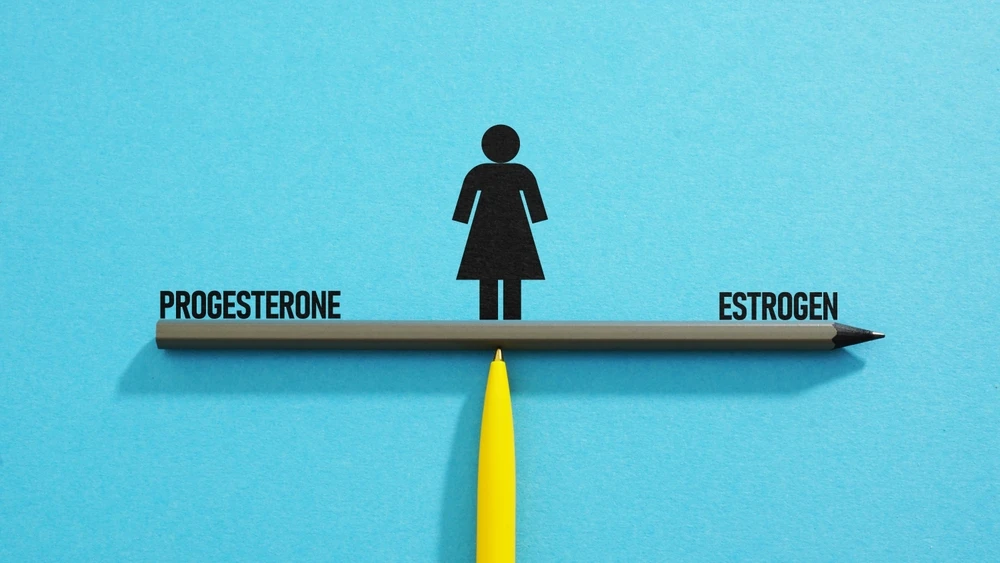
That's one reason progesterone or another appropriate progestogen is commonly part of HRT for women who still have a uterus.
There are exceptions. If you've had a hysterectomy, progesterone generally isn't required solely for endometrial protection. Low-dose vaginal estrogen used for local symptoms is also different from systemic estrogen.
So this isn't as simple as saying: Estrogen ALWAYS requires progesterone.
But if you have a uterus, you're receiving systemic estrogen, and nobody has even discussed progesterone or endometrial protection with you? We'd ask why. And that's exactly the kind of question you should feel comfortable asking your practitioner.
Red Flag #8: Your Practitioner Doesn't Listen to You
Your test results can matter. So does how you feel. Good hormone care isn't simply chasing a number into somebody's definition of an “optimal range.”
If you're saying you're having side effects, you're feeling worse, something doesn't feel right, or the treatment isn't improving the symptoms you originally wanted help with, that deserves a conversation.
You should feel comfortable asking questions about your treatment. And your practitioner should be willing to listen.
Red Flag #9: You're Not Being Honest With Your Practitioner
Okay, this red flag isn't about the practitioner. This one's on us as patients.
We recently saw a patient who had received a 30-day supply of hormone therapy about three months earlier but never refilled it. When the patient returned to the practitioner, they didn't mention that they hadn't continued the treatment.
The practitioner reasonably believed the patient had been using the prescribed therapy consistently and significantly increased the dose based on the information they had. See the problem?
Your practitioner can only make decisions based on the information you give them. If you stopped taking something, tell them.
If you miss doses regularly, tell them.
If you didn't start it at all, tell them.
You aren't going to get in trouble. This isn't school.
But pretending you've been following a treatment plan when you haven't can lead to decisions being made based on completely inaccurate information. Consistency matters, and honesty matters even more.
Red Flag #10: Six Months Later, You Feel Exactly the Same or Worse
HRT isn't magic, and everyone's experience is different.

But if you've been consistently following your treatment plan for months, you've communicated with your practitioner, you've had appropriate follow-up, and you have seen absolutely no improvement, or you're feeling worse, it is reasonable to ask some bigger questions.
Maybe the treatment needs to change. Maybe hormones aren't the entire issue. Maybe something has been overlooked. Or maybe you simply need another opinion. Getting a second opinion doesn't mean your practitioner is terrible. Sometimes another knowledgeable person sees something differently.
Insider Tip: Ask Your Compounding Pharmacist
Here's something a lot of people don't think about. If you have an independent compounding pharmacy near you, call them. Ask: “Do you know any good HRT practitioners in the area?” There's a pretty good chance they do.
Compounding pharmacists work with prescriptions from many different practitioners. We communicate with their offices. We see different prescribing approaches. And we often know which local practitioners have significant experience working with hormone therapy.
We can't choose a practitioner for you, but we can often point you toward people in the community who work extensively in this area. And yes, we specifically mention independent pharmacies because we're often able to spend more time having these conversations with our patients.
One More Thing…
If you're in perimenopause, menopause, or you're simply dealing with symptoms you suspect could be hormone-related, we want you to hear this:
You're not crazy.
You deserve to be listened to.
You deserve someone who takes your symptoms seriously.
And you are worth feeling good.
HRT may be part of that answer. It may not be the entire answer. Finding the right treatment can take some patience, and what works beautifully for one person may not be right for another.
Good hormone care should be a partnership between you, a knowledgeable practitioner, and your pharmacy, with communication, appropriate monitoring, consistency, and a willingness to look at the whole person rather than simply chasing numbers.
The goal isn't to get you on the highest dose possible. The goal isn't to get the prettiest lab report. The goal is to help you feel like yourself again.