

Your gut contains a network of more than 100 trillion microorganisms. This diverse microbiome helps your body break down food and absorb nutrients. However, the state of your gut can affect other aspects of your health, too. The digestive system can affect and play a role in sleep, immune health, metabolism and nutrition, autoimmune diseases, type 2 diabetes, cardiovascular disease, and other disorders.
To avoid the negative effects of a weakened or unhealthy gut, you should take steps to improve and maintain your gut health. This includes eating a high-fiber diet, reducing stress, getting enough sleep, exercising regularly, and taking the right dietary supplements. Keep reading to learn more about some of the top supplements for gut health that we recommend:
What are the best supplements for gut health?
The most effective supplements for gut health are spore-forming probiotics to balance microorganisms, L-glutamine powders to rebuild the mucosal barrier, and vitamin D3 to regulate local immune responses. Combining these addresses microbial balance and cellular integrity simultaneously.
Selecting the right regimen depends on whether your symptoms stem from dysbiosis, compromised mucosal lining, or chronic nutrient deficiencies. The comparative reference table below highlights the primary clinical targets and functional outcomes of the top natural supplement options.
| Supplement Category | Target Gut Mechanism | Best Suited For |
|---|---|---|
| Probiotic Essentials | Rebalancing microbial diversity and outcompeting opportunistic pathogens | Post-antibiotic recovery, irregular bowel habits, and immune sluggishness |
| Intestinal Barrier Support (InflammaPro / GlutaPro) | Stimulating gut lining renewal and sealing epithelial tight junctions | Food sensitivities, chronic bloating, intestinal permeability, and gut-driven inflammation |
| Vitamin D3 | Upregulating tight junction proteins and modulating mucosal immune reactivity | Low sun exposure, systemic autoimmunity, and low gut bacterial diversity |
1. Probiotic Essentials
Probiotic Essentials provides scientifically validated bacterial strains that replenish your microbiome, enhance nutrient breakdown, and suppress gastrointestinal pathogens. Rather than offering random bacterial cultures that break down in stomach acid, these clinical-grade probiotics use targeted delivery systems designed to survive harsh gastric juices. Once delivered safely to your lower intestinal tract, these beneficial bacteria colonize the mucosal wall, manufacture short-chain fatty acids like butyrate, and recalibrate your local immune responses.
A diverse microbial ecosystem protects your gut from common stressors such as antibiotic overuse, ultra-processed foods, environmental toxins, and chronic psychological stress. When microbial diversity drops, patients frequently experience gas, irregular motility, and downstream mood changes linked via the gut-brain axis. In fact, research exploring the connection between your gut and mood shows that gut bacteria synthesize over 90% of the body's serotonin!
When selecting a daily probiotic (one of the best choices for supplements for gut inflammation), choose a formula tailored to your body:
- Broad-Spectrum Colonization: Formulations like Probiotic Essentials deliver shelf-stable strains that target small and large bowel motility while reinforcing immune barrier function.
- Female Urogenital Support: Specialized blends such as Probiotic Essentials - Women's incorporate specific Lactobacillus species proven to optimize vaginal pH and combat recurring urinary dysbiosis alongside digestive support.
- Survival Chemistry: Enteric-coated capsules protect delicate organisms against bile salts and gastric acids to maximize intestinal delivery.
Quick recap: How do probiotics help restore the gut microbiome?
As one of the top dietary supplements for gut health, probiotics deliver live, beneficial bacterial strains directly to your digestive tract. These organisms outcompete inflammatory microbes, produce restorative short-chain fatty acids such as butyrate, and synthesize enzymes that improve overall daily nutrient absorption.
2. InflammaPro and GlutaPro
InflammaPro and GlutaPro provide therapeutic doses of L-glutamine and mucosal-soothing botanicals designed to rebuild cells and reinforce the intestinal barrier. The gastrointestinal tract relies on a microscopic, single-cell layer called the mucosal barrier. This barrier allows vital water and nutrients into your bloodstream while blocking endotoxins, undigested proteins, and environmental microbes. When prolonged stress, alcohol, or hidden food intolerances degrade these cellular tight junctions, localized inflammation quickly transforms into widespread systemic irritation.
If you experience upper digestive distress or persistent post-meal discomfort, evaluating your stomach acid output is an essential step. Review our clinical breakdown of digestion, bloating, and stomach acid to understand how gastric secretions set the stage for lower-bowel integrity.
Because InflammaPro and GlutaPro share overlapping foundational pathways, you only need to choose one product based on your lifestyle and functional goals:
- InflammaPro for Systemic Inflammatory Balance: Blends pharmaceutical-grade L-glutamine, glycine, and plant-based protein with hypoallergenic prebiotic fiber to regulate gastrointestinal oxidative stress. It’s available in delicious flavor options including InflammaPro Vanilla Chai, InflammaPro Strawberry, and InflammaPro Chocolate Mint.
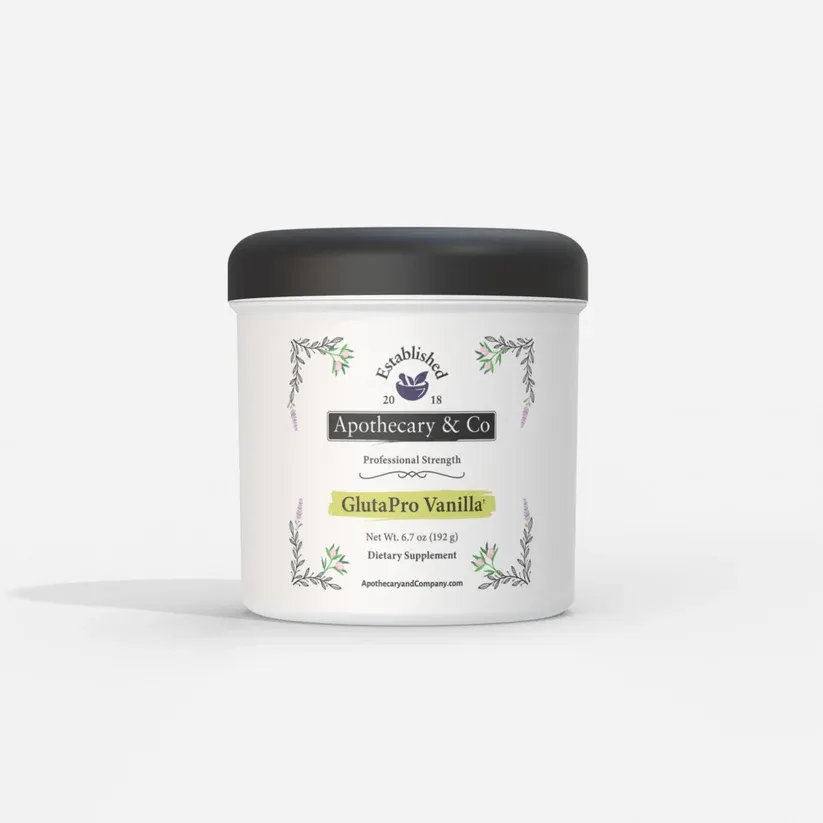
- GlutaPro for Concentrated Mucosal Barrier Sealing: Formulated specifically for hyperpermeability with zinc carnosine, vitamin A, N-acetyl-D-glucosamine, deglycyrrhizinated licorice (DGL) root extract, and aloe vera leaf extract. Select between GlutaPro Vanilla and GlutaPro Chocolate for soothing mucosal repair.
Quick recap: Can L-glutamine heal a damaged gut lining?
Yes, L-glutamine serves as the primary metabolic fuel for the cells lining your intestinal wall. Clinical studies show that glutamine supplementation can be a great option for gut repair supplements, helping repair tight junction proteins, reducing intestinal permeability, and calming systemic food sensitivities.
3. Vitamin D
Vitamin D3 acts as a potent immunomodulatory hormone that strengthens the protein tight junctions holding your intestinal cells firmly together. Beyond its well-documented role in skeletal mineralization and mental health, vitamin D activates specialized gene receptors within gut tissue to boost the synthesis of antimicrobial peptides. These natural defense molecules shield the intestinal wall from harmful pathogens while supporting beneficial gut bacteria growth.
Clinical studies highlight a clear biological correlation between adequate circulating Vitamin D levels and a thriving microbiome:
- Microbiome Enrichment: Adults maintaining optimal Vitamin D levels exhibit significantly higher populations of beneficial, butyrate-producing bacteria.
- Immune Regulation: Activated vitamin D downregulates pro-inflammatory cytokines, curbing unnecessary autoimmune reactions.
- Epithelial Preservation: Calcitriol (the active form of vitamin D) triggers gene transcription for occludin, claudin-1, and proteins that keep the intestinal barrier secure.
Modern indoor lifestyles and Northern winters often make adequate sun exposure impossible. Increasing your intake of wild fatty fish, pastured egg yolks, and fortified foods helps, but targeted supplementation using high-absorption Vitamin D3 5,000 IU offers dependable support.
Quick recap: Why is Vitamin D important for digestive and gut health?
Vitamin D acts as an immunomodulatory hormone that directly stimulates the genetic expression of intestinal tight junction proteins. It encourages higher microbial diversity and prevents immune hyper-reactivity inside your gut-associated lymphoid tissue.
How to Build a Personalized Gut Health Protocol
A successful gut health protocol relies on intentional timing, professional-grade ingredient quality, and therapeutic synergy rather than random product selection. Taking too many products simultaneously can overwhelm digestion, making it difficult to assess what's actually working. Starting with low initial doses helps your gastrointestinal tract adjust smoothly without sudden bacterial die-off or temporary bloating.
To safely introduce supplements for the gut into your daily routine, functional medicine practitioners recommend following a stepwise progression:
- Establish Daily Cellular Foundations: Begin by optimizing daily vitamin D3 intake.
- Soothe and Coat the Mucosa: Introduce an intestinal barrier powder like GlutaPro or InflammaPro on an empty stomach in the morning.
- Introduce Probiotic Strains: Add broad-spectrum probiotics with an evening meal or right before bed, giving beneficial bacteria uninterrupted time to transit into the lower bowel.
- Reassess and Personalize: Monitor bowel transit time, bloating, mental clarity, and skin health over a 4-6 week period before altering dosages.
More Advice on Gut Health
Achieving vibrant gut health is a personalized journey that requires identifying the unique root drivers behind your discomfort. At Apothecary & Co., our clinical team bridges professional pharmaceutical expertise with functional wellness to help you thrive. Whether you need specialized testing or personalized guidance, we can help discover the best supplements for gut health and the right strategies for your individual health goals
Ready to restore your digestion and build balanced wellness? Contact our functional medicine team in Oxford MI to schedule a consultation tailored to your unique microbiome.